Valencia, Spain’s third-largest city, is widely recognised for its unique balance between tradition, innovation, and social vitality. Known as the birthplace of paella, home to one of Europe’s largest urban green spaces (Turia Garden), and a city that successfully integrates historical heritage with modern architecture such as the City of Arts and Sciences, Valencia provides an ideal environment for international cooperation and creative exchange. Its long-standing emphasis on education, civic engagement, and innovation makes it a particularly suitable host city for Erasmus+ activities focused on partnership building and youth work.
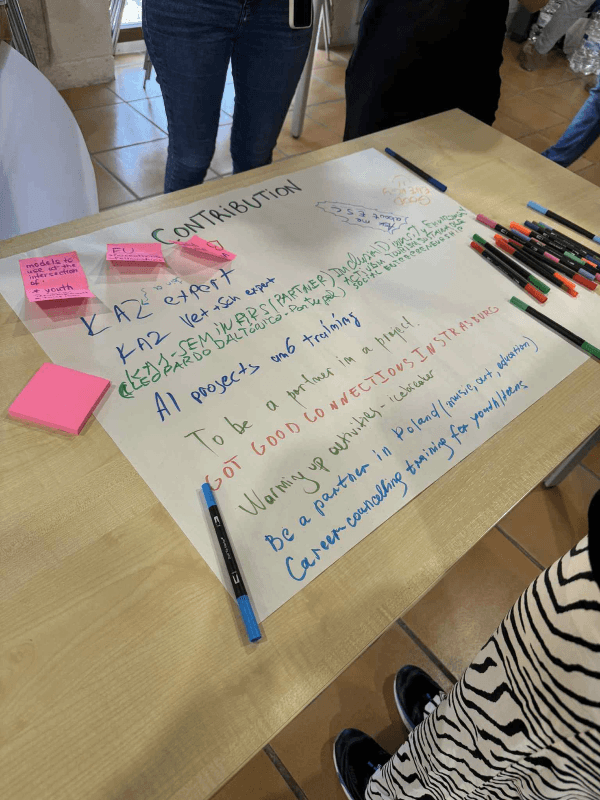
It was within this inspiring context that our team spent seven intensive days participating in a Partnership Building Activity (PBA) under the Erasmus+ programme. The activity brought together youth workers, project managers, and representatives of civil society organisations from multiple European countries, with the shared objective of developing new partnerships, strengthening cooperation, and shaping project ideas aligned with European values and priorities.
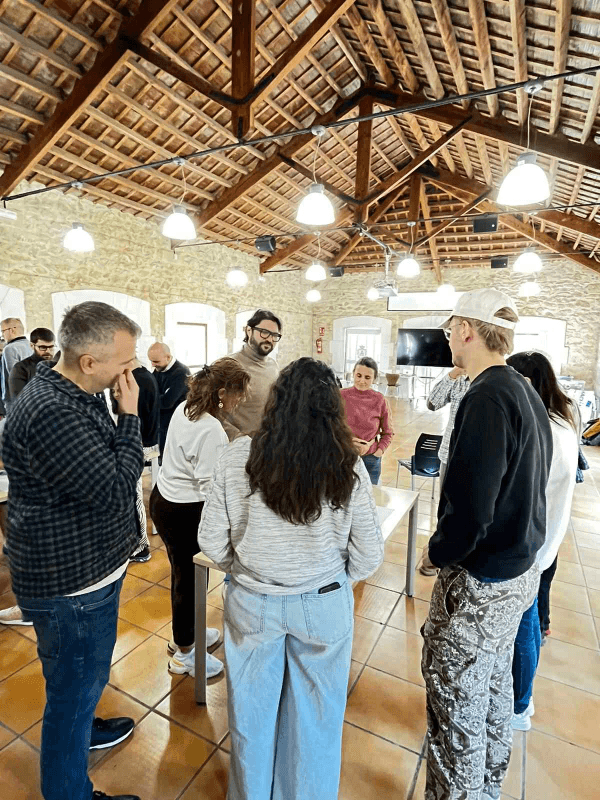
From the outset, the working environment in Valencia fostered openness, trust, and creativity. The space quickly evolved into a collaborative setting where ideas were not only exchanged but actively developed and refined. Participants arrived with diverse professional backgrounds, institutional experiences, and national perspectives, which enriched discussions and ensured that learning was multidirectional rather than hierarchical. This diversity proved to be one of the strongest assets of the activity.
The programme design encouraged both structured and informal interaction. Formal working sessions focused on identifying shared interests, mapping organisational capacities, and developing project concepts suitable for future Erasmus+ calls. At the same time, informal moments—coffee breaks, group discussions outside the venue, and spontaneous conversations—played a crucial role in deepening mutual understanding. These moments often allowed participants to speak openly about challenges they face in their local contexts, ranging from youth disengagement and limited resources to policy constraints and organisational sustainability.
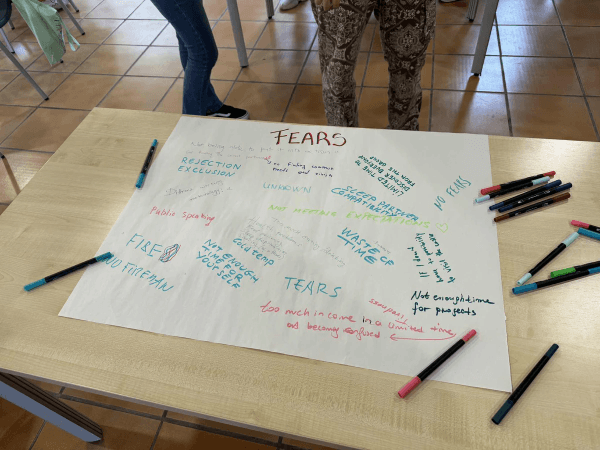
A key outcome of the PBA was the collaborative development of project ideas. Rather than working in isolation, participants engaged in collective brainstorming, peer feedback, and iterative refinement of concepts. Ideas were tested through discussion, questioned from multiple perspectives, and strengthened through shared expertise. This process ensured that emerging proposals were not only innovative but also realistic, inclusive, and responsive to real needs within European youth work.
Networking during the PBA extended beyond professional formalities. It became a process of relationship-building based on trust, mutual respect, and shared values. Participants exchanged methodologies, tools, and good practices from their organisations and countries, enabling cross-fertilisation of ideas and approaches. Importantly, the atmosphere encouraged both early-career youth workers and experienced professionals to contribute equally, creating a balanced and supportive learning environment.
Beyond the working sessions, Valencia itself became an integral part of the experience. Exploring the city offered opportunities to reflect, connect, and better understand the local cultural context. Walks through the historic city centre, visits to modern architectural landmarks, and time spent in public spaces highlighted Valencia’s strong sense of community and openness. The city’s rhythm—calm yet vibrant—created a natural balance between intensive work and meaningful rest, which further supported creativity and collaboration.
On a personal level, the experience in Valencia reaffirmed the human dimension of Erasmus+ mobility. Participating in the PBA added an additional layer of meaning to the journey. Sharing professional experiences, cultural discovery, and everyday moments reinforced the understanding that international projects are not only about outputs and results, but also about relationships, personal growth, and shared memories. Such experiences contribute to long-term motivation and commitment within the youth and civil society sectors.
In conclusion, the Partnership Building Activity in Valencia represented a valuable combination of professional development, intercultural dialogue, and human connection. It strengthened existing networks, initiated new partnerships, and generated project ideas with strong potential for future implementation. Most importantly, it reaffirmed the importance of cooperation, trust, and shared learning as foundations for impactful youth work across Europe.
As we move forward, the insights, partnerships, and inspiration gained in Valencia will inform our future initiatives and reinforce our commitment to active participation in Erasmus+ and other European cooperation frameworks. Experiences such as this confirm that meaningful change is most likely to occur when people from different contexts come together with openness, curiosity, and a shared vision for a more inclusive and engaged Europe.